On wanting to be wanted.
On appetite and absence.
On what grows in isolation.
On all of these things, really. Whatever title I give this entry would only be one door into what this book is doing. What it did to me.
To feel alive in someone’s attention and to be chosen by them, to have them obsess over you, is difficult to talk about without sounding embarrassed by it. But it feels deeply human and it’s very deeply me. We all want to matter to someone. We all want to feel singular for more than a moment. I want that. I strongly desire it.
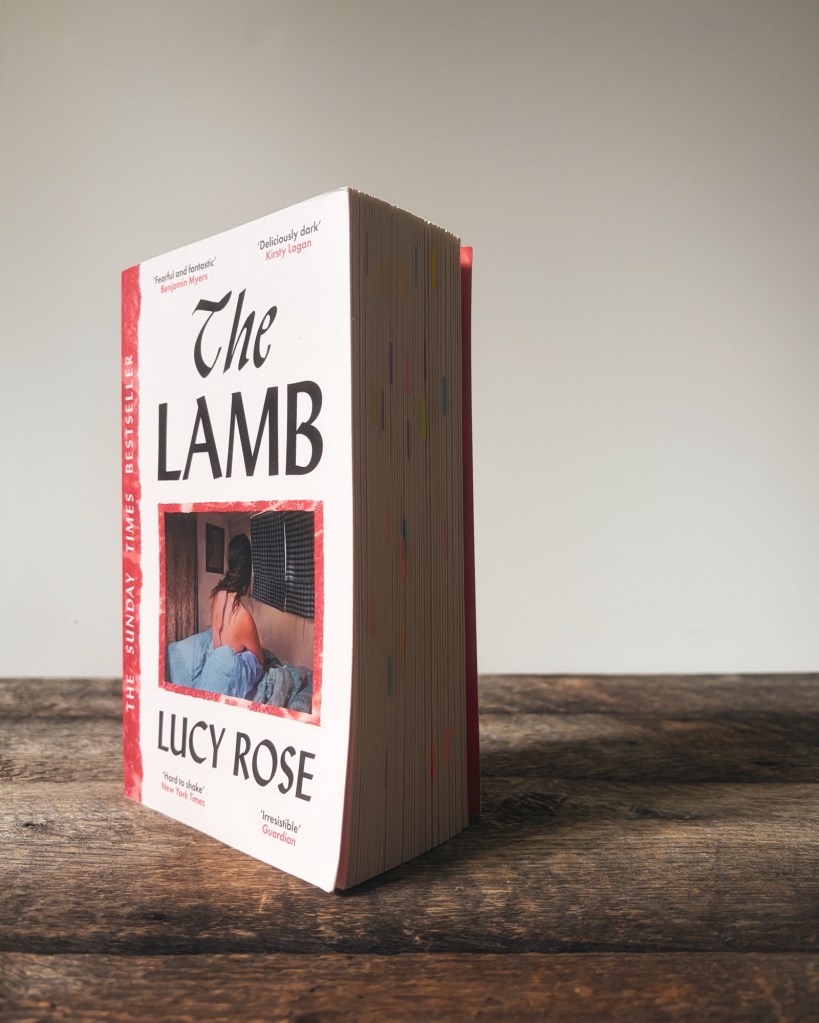
So there was an ache when I read this book. A very real and (unfortunately) timely ache.
Take those feelings and hide them. Push them down. Keep them in the dark. Keep them where no one can see them.
I’ve had to do that before. Put my heartbreak somewhere I could not see it. It’s sometimes for the best.
I read The Lamb by Lucy Rose immediately after a run of male interior narrators, mostly horror fiction, so this felt different right away.
Less explained. (Go figure).
More instinct than interpretation. (Again, of course it was).
What happens when love and control blur into the same thing? That question sits underneath everything here.
The story is a rural, intimate and psychologically isolating horror. My absolute favourite kind of read. Lucy Rose builds in small ways, in routines, in attention, in the way someone is watched… or needed. It’s all very domestic and ordinary.
(But not. Because it’s cannibalism.)
There’s real control in her writing and I admired this, intensely. Nothing overreaches. By the end, the pace is still steady, but it tightens, not because of what’s happening, but because of what you understand. That heavy, fertile silence afterwards. I’ll eat that up every time.
Reading this as a mother caught me off guard a bit. Not in an obvious way, nothing is pushed, it’s all nuance. It was how Rose writes about aging, desire and being seen. The precision in it felt very fucking accurate.
You recognize the lives in this without being told. Because it’s you. It’s me. It’s us… darkest parts included.
It’s impossible to truly know someone who hides so much of themselves and consumes so much of others.
The emotional appetites of the women here are voracious and unapologetic. The need to be wanted, to be chosen, to feel something sharp and alive again. And how easily that tips into something else if it’s left alone long enough.
A small interaction near the end (a bus driver) completely shifted the weight of the story for me.
So, not a shocker of a book, just recognition.
In how easily we reshape ourselves to stay loved.
Or to stay safe.
Or to be chosen.
Or to not be “too much.”
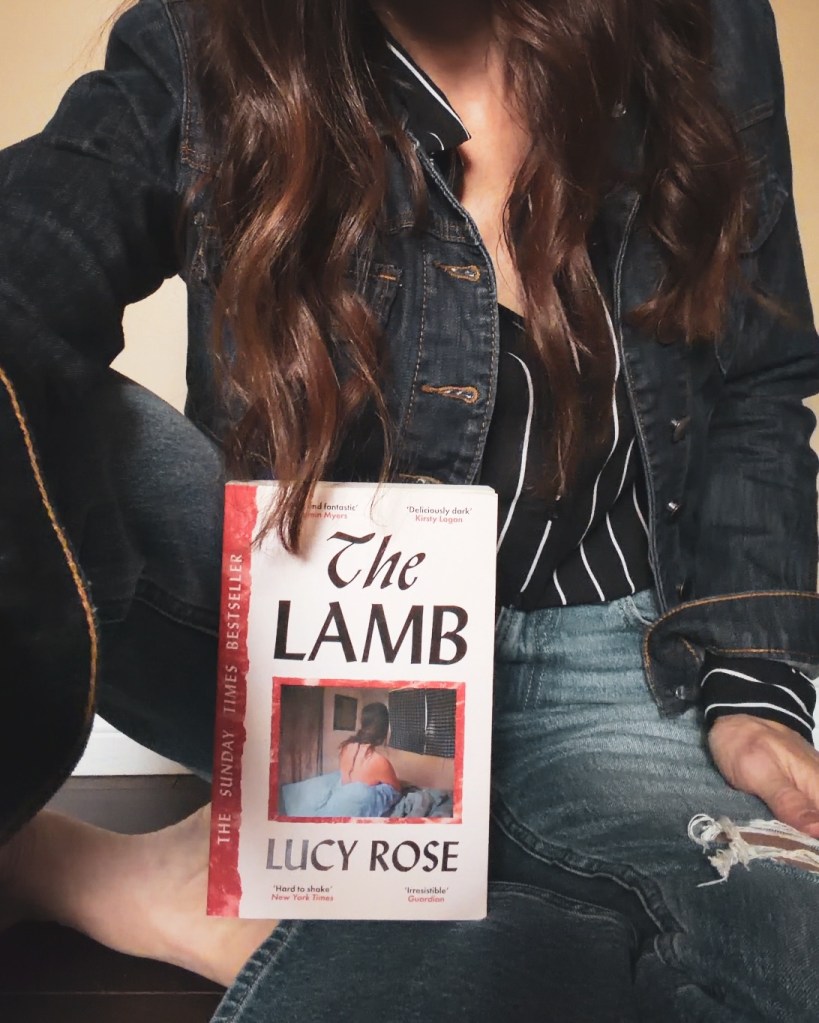
There’s a lot of power in a story this rooted in female interior life. In motherhood, the body, its instincts, its loneliness. It’s specific. It’s a bit niche. And so it lands because it’s true.
A favourite this year for the way it engaged me cognitively and emotionally.
 robyn reads books
Leave a comment